April 2026 | Tracey Bignall
Over recent weeks we have seen promising health care policy developments with the potential to improve health outcomes of Black, Asian and minoritised ethnic communities in the UK, including the announcement of the Renewed Women’s Health Strategy.
On Wednesday 15 April 2026, the Government announced a Renewed Women’s Health Strategy, building upon the first Women’s Health Strategy released in 2022. But in a positive contrast, the latest strategy moves towards and presents actionable service recommendations and reflects the long-known, fundamental fact – health outcomes are shaped by the intersection of gender, ethnicity and socio-economic status. Services therefore must be designed with this fundamental truth at their centre to help those most in need. A one-size fits all approach has never been adequate.
For instance, the Renewed Women’s Health Strategy makes a clear commitment to close the Black and Asian maternal mortality gap informed by the Amos investigation. It states service providers should partner with local community groups to co-design, adapt and improve existing interventions and develop new ones that improve treatment access to diverse and marginalised women. The action to support women affected by musculoskeletal (MSK) conditions to enter and remain in work is specifically welcomed. MSK conditions not only disproportionately affect women, but especially women of racialised groups, who face a higher prevalence of Lupus and Sickle Cell Disease, which frequently result in MSK complications.
As our latest report, Too Poor to Be Sick highlights, support for Black, Asian and minoritised ethnic communities to stay in work when navigating poor health is urgently needed. In addition, a women’s voices partnership will be established, to ensure that the voices of women most excluded from traditional services inform national policy and delivery. A key part of our expertise, and approach, is co-designing and co-producing services and resources with communities often excluded or misrepresented by public services, as that is the only way to have a health and social care system which works for everyone.
The actions and commitments detailed in the renewed Women’s Health Strategy are definitely promising steps in the right direction if actualised. The identification of minoritised ethnic women being the subject of disproportionate health outcomes is noted.
But ethnicity is not a neutral risk factor.
Structural and systemic racism as a driver of racialised disparities in health outcomes
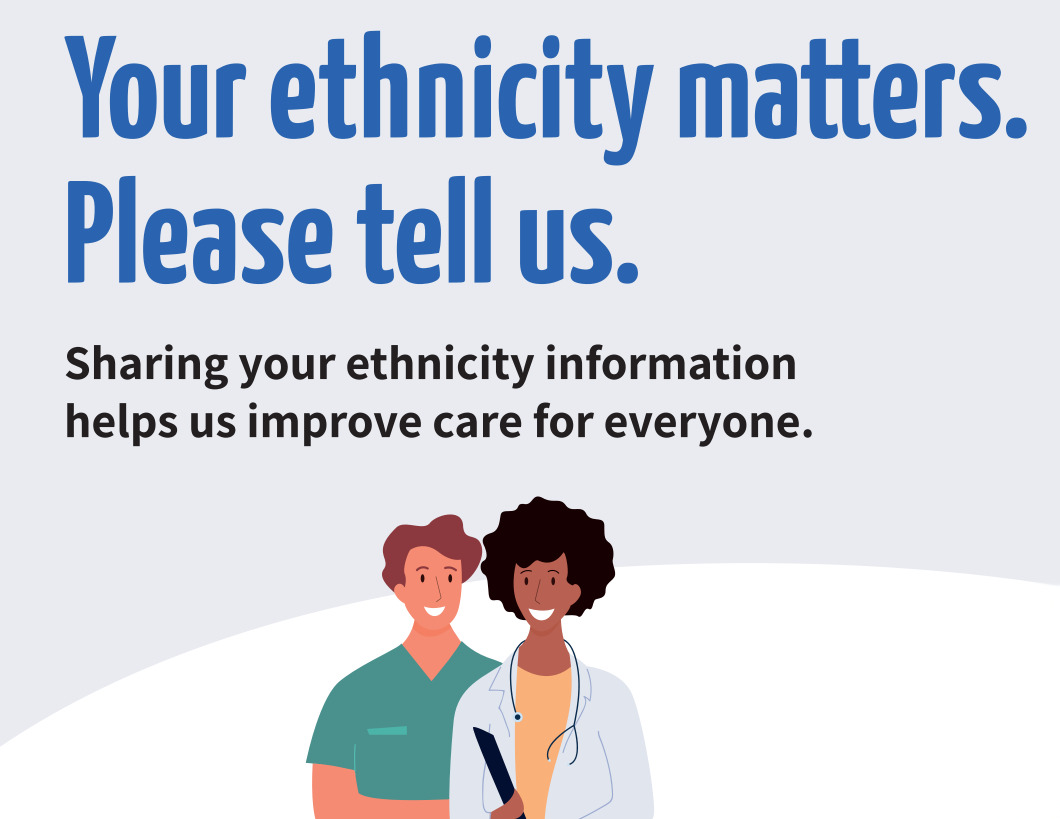
Racism operates throughout the systems designed to protect and care for us at our most vulnerable. Naming structural and systemic racism as a cause of health disparities and promoting anti-racism actions is critical to shaping effective health interventions. While the Renewed Women’s Health Strategy highlights the use of patient-reported outcomes and existing data sources to improve services, it does not explicitly set out how ethnicity data will be systematically collected, analysed and used. This is essential to the equitable implementation of the Renewed Women’s Health Strategy and to evaluate the impact on Black, Asian and minoritised ethnic women.
These are critical rather than optional elements as we seek to build a more equitable health care system in the UK where all can survive and thrive. Without this focus, the suggested interventions risk being cosmetic rather than the fundamental departure from the past they aspire to be.
References:
Government announcement: Women’s voices to be at the heart of renewed health strategy
Renewed Women’s Health Strategy
Related articles:
On 2022 Women’s Health Strategy: Tracey Bignall: Time for action on race equality in women’s health