This summer, temperatures have begun to soar, with extreme heat becoming harder to ignore. In the UK, there have been multiple heatwaves, with the heatwaves in May and June being linked to an estimated 2,700 deaths. Although some media outlets still associate periods of extreme heat with ice cream and trips to the beach, this optimistic message is increasingly falling flat.
Many people have now suffered through the realities of a heatwave: much of the UK is gravely unprepared for the rising summer temperatures linked to climate change. We have seen warnings issued, statements from politicians, and the impact of the extreme heat brought into national conversation.
But what happens when summer ends?
One story that illustrates the impact of extreme heat is that of Sophia, a Race Equality Foundation participant on the national Everyone’s Environment Voices programme. Sophia lives with multiple myeloma, a blood cancer which disproportionately affects people from Black communities, and as a result, struggled through this year’s heatwaves while managing her condition.
Sophia’s experience this summer reminds us that behind these statistics, people are facing the consequences of our country being underprepared. Stories like Sophia’s are an important reminder to people in power that lived experience must shape how policies are designed to protect the people most at risk in our communities. Climate and health are deeply connected, and the climate crisis will continue to shape people’s health, wellbeing, and daily lives – particularly for those from Black, Asian and minoritised ethnic backgrounds – unless our government takes action.
But the reality is that too often, the political pressure drops when the temperatures do. In the UK, the consequences of failing to adapt to an increasingly hot climate have been evident for some time – following the record-breaking heatwaves in the summer of 2022, experts repeatedly warned that extreme heat would become more frequent and more dangerous. Four years on, there has been little change in the response. There has been insufficient action to tackle the conditions that leave marginalised communities at greater risk from extreme heat.
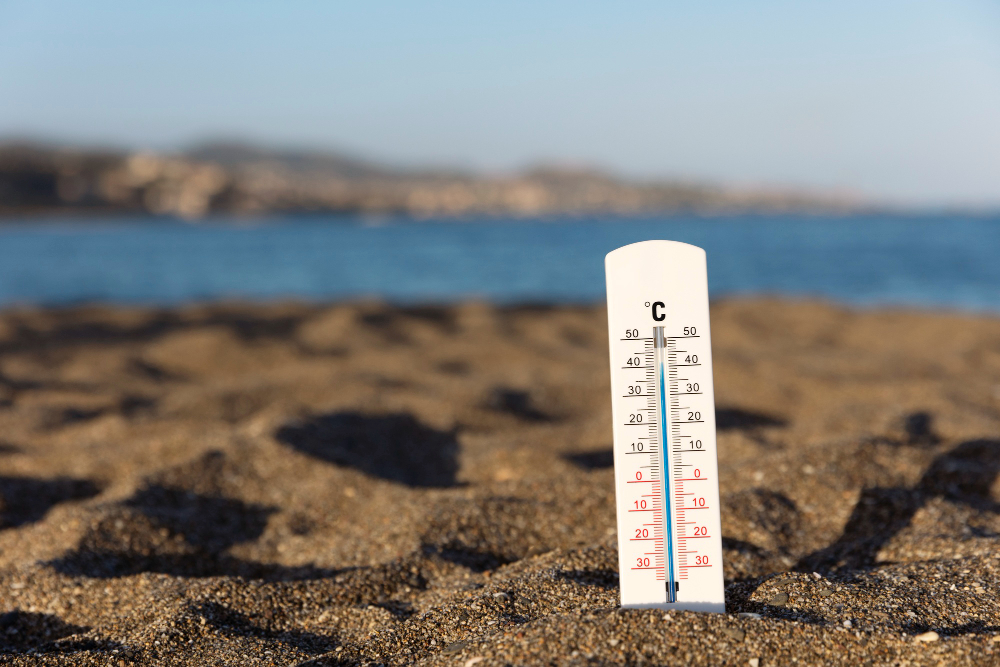
This disproportionate vulnerability to extreme heat is evidenced in our work with NPC on the Everyone’s Environment briefing. The evidence shows that people from minoritised ethnic communities are more likely to live in densely populated urban areas than their white counterparts, exposing them to temperatures that are up to 10 degrees higher than surrounding rural areas. People from minoritised ethnic communities are also more likely to live in homes that are poorly adapted to rising temperatures, increasing the risk of poor health, disrupted sleep, and heat-related illnesses.
It is evident, then, that the rising temperatures are not felt equally. But what happens when the heatwaves come to an end, and the beating sun is no longer an immediate, physical reminder of the climate crisis? Will political attention fade with the temperatures? Extreme heat is becoming more common, and with it comes a growing public health challenge that deepens existing inequalities. Preventing further loss of life requires action that lasts throughout all four seasons – not simply a reaction when temperatures reach record highs and people die.
If you are passionate about supporting your community and ensuring racialised communities are heard in conversations about health and climate justice, we’d love to hear from you. Get in touch with our Community Engagement Lead Lee Lockhart to find out more about how you can get involved.