7 April 2026 | Aleks Collingwood
Aleks Collingwood, Partnership Insight Manager in the Insight Infrastructure team at the Joseph Rowntree Foundation, writes on the challenges of understanding poverty and inequality in the UK with the current limitations in socio-demographic datasets. The blog both identifies the consequences of data gaps, and what is needed to ensure greater access to high-quality inclusive data capable of driving social justice efforts.
Aleks Collingwood, Partnership Insight Manager in the Insight Infrastructure team at the Joseph Rowntree Foundation
Making sense of data on poverty is difficult. While there is a wealth of data available, there are gaps in representation, inconsistencies in collection, and limitations in how data is being used. Improving the quality, accessibility, and inclusivity of socio-demographic data – particularly around ethnicity – is essential if we are to better understand and address inequality across the UK.
The consequences of these gaps are significant:
- Poverty rates vary sharply across ethnic groups, with some communities facing disproportionately high levels of hardship. For example, more than half of people in Bangladeshi households (53%) and nearly half in Pakistani households (48%) live in poverty, compared to 18% among people in white-headed households. These disparities will be shaped by a combination of factors that increase vulnerability to poverty, including younger age profiles, larger household sizes, lower employment rates, and higher reliance on rented housing (UK Poverty 2026). Current sample sizes restrict our ability to delve into what drives these disparities.
- Poverty is not only more prevalent in these communities, but also more persistent. Between 2011 and 2023, people in Bangladeshi and Pakistani households were around five times more likely than those in white households to experience sustained periods of very deep poverty. This highlights the entrenched nature of inequality and the need for long-term solutions (UK Poverty 2026).
- Labour market inequalities also play a critical role with certain ethnic communities consistently experiencing worse outcomes. Systemic and organisational biases and discrimination within the labour market are increasing the likelihood of poverty among Bangladeshi, Black African and Pakistani populations. Yet, these experiences remain under-researched in many areas, limiting the ability to develop effective policy responses. Adopting a more intersectional approach – one that considers how different aspects of identity interact by being able to drill down into more detail – would help to deepen understanding and strengthen the evidence base (Ethnicity, poverty, and in-work inequalities in the UK, JRF).
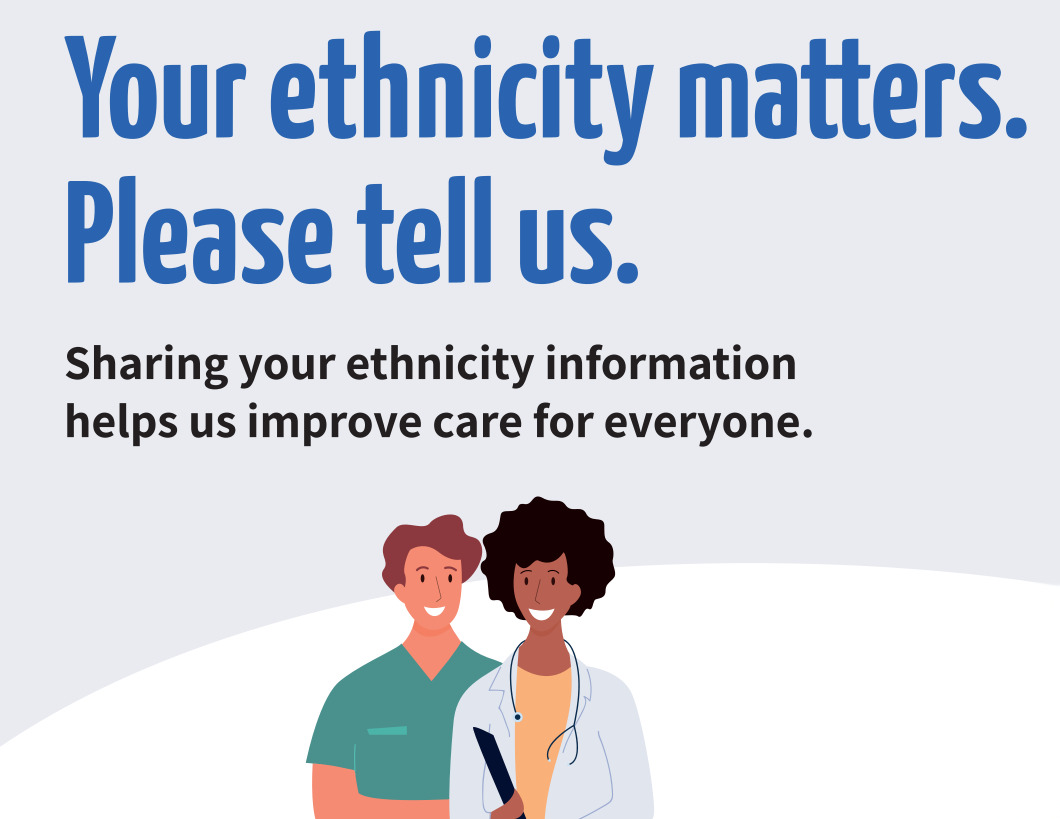
A key priority is improving the inclusivity and representation of ethnicity data in UK government surveys:
- At Insight Infrastructure (see footnote), we are building relationships with a wide range of stakeholders including charities, think tanks, academic institutions, and social change organisations – many of whom rely on ethnicity data but find themselves constrained by its current limitations, and all of whom want to work with us to achieve our aim. Some offer technical expertise, others have valuable networks or access to funding, and many bring lived experience that is essential for understanding how poverty is experienced on the ground. We have also been meeting with government data producers and have had a very positive response from those we have been engaging with.
- We have published dashboards for eight government surveys showing sample sizes by ethnicity, and Making Sense of Data Gaps, a report summarising interviews with data producers and users.
We have also been working with the Race Equality Foundation, who produced a research report identifying significant systemic barriers to the collection, availability, and use of ethnicity data.
Ultimately, building a better picture of poverty in the UK requires sustained collaboration, investment, and commitment. High-quality, inclusive data is not an end in itself, but a means to achieving greater social justice. By improving how we collect, analyse, and use data, we can better understand the realities of inequality, and, crucially, take more effective action to address it.
We are serious about tackling poverty, and improving our data systems is part of the solution. Only by closing the gaps in our knowledge can we close the gaps in society.
This work contributes to the Joseph Rowntree Foundation’s Insight Infrastructure programme, a powerful collaborative resource which helps tackle injustice and inequality in the UK by democratising access to high-quality data and evidence. We want to build a better picture of poverty and inequality by exposing and filling data gaps, generating insight from new data sources, and learning from lived experience. We aim to empower organisations, researchers, and communities to tackle injustice more effectively. If we haven’t connected with you yet and you are interested in being involved, please get in touch.