May 2026 | Bernadette Rhoden
While national politics often dominates headlines, local elections arguably have the most immediate impact on the lives of many of the parents and families we work alongside through the Strengthening Families, Strengthening Communities (SFSC) programme. Local councils shape services families rely on every day including schools, housing, youth provision, libraries, transport, community safety, social care, parks, and public health. Local policy decisions can shape whether communities feel invested in and supported, or overlooked and disconnected.
The local elections held on 7 May, and their results, prompted a wide range of conversations across households. Many found themselves contemplating issues such as representation, trust, belonging, leadership, and the future direction of local neighbourhoods. Some individuals also found themselves reminded of the power collective voices can have in shaping communities and influencing change.
Within SFSC, the Political Rite of Passage topic introduced in Session Eleven is not primarily about party politics. Instead, it supports parents and young people in recognising themselves as active members of families, communities, and society. It encourages reflection on participation, leadership, advocacy, and how individuals contribute to collective wellbeing.
Although elections are not formally explored until this point, the themes raised feature throughout the programme, particularly in discussions of community involvement, responsibility, and the common good.
For example, Session Five focuses strongly on community involvement, community vision, and creating protective environments. Parents are encouraged to think beyond the walls of the home and consider the wider pressures and opportunities shaping family life.
Meanwhile, the Social Rite of Passage topic in Session Nine encourages reflection on responsibility, leadership, contribution, and supporting less fortunate members of the community. The “Commit to a Plan of Action” activity encourages parents to think about practical steps they can take to strengthen family and community life.
By Session Eleven, these ideas develop further through the Political Rite of Passage and the Community Action Council activity, where parents consider how communities organise around shared concerns and how collective action can influence change. Facilitators can support parents to think about the many different ways people contribute to community and civic life, whether through voting, volunteering, campaigning, school involvement, faith groups, tenants’ associations, community organising, unions, advocacy, or simply supporting neighbours and challenging injustice where they encounter it.
For many families, particularly those living with poverty, discrimination, violence, isolation, or social exclusion, political systems can feel distant or unresponsive. SFSC does not ask facilitators to persuade parents toward particular political beliefs. Instead, the programme encourages reflection on voice, agency, connection, leadership, and collective responsibility within communities.
Recent election conversations may therefore offer useful opportunities for reflection within groups, even outside of Session Eleven. Practitioners may notice parents discussing local changes, neighbourhood safety, youth provision, housing pressures, racism, or the future their children are growing up into. These conversations connect naturally to existing SFSC themes: community involvement, circles of support, equality, leadership, and creating violence free healthy lifestyles.
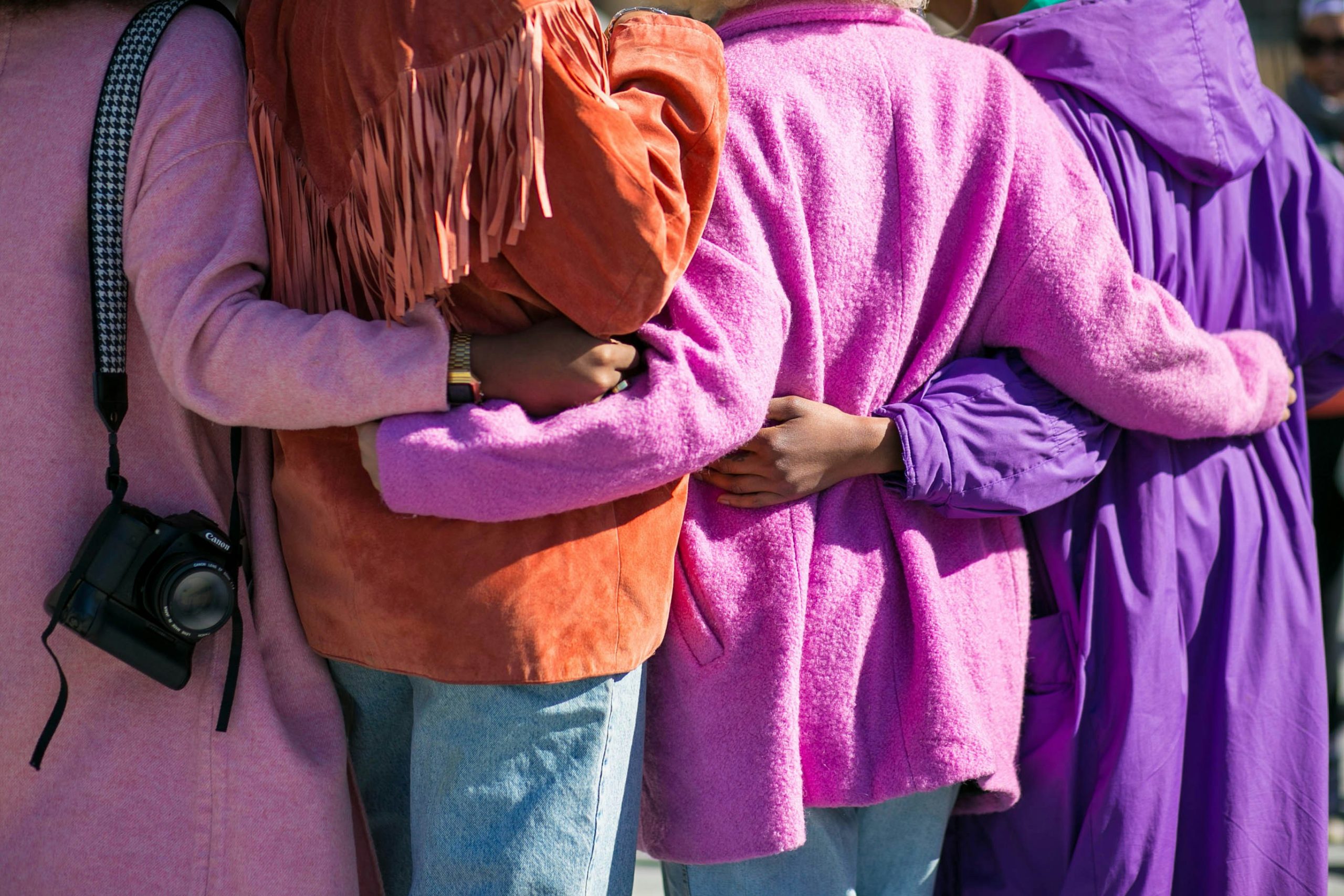
The Political Rite of Passage ultimately reminds us that children learn not only through what we say, but also through what they observe. When young people see adults participating in community life, helping neighbours, joining together to support one another, advocating for fairness, or engaging constructively with local issues, they are also learning what citizenship, responsibility, and collective care can look like.