Race Equality Foundation has been running co-production sessions to develop resources for NHS England focused on raising awareness around Ethnicity Recording and Community Language Interpreting, with groups from Sheffield and Leeds. These groups consist of participants from a range of different ethnic backgrounds, with several participants having been born outside of the UK. All participants share experiences of ethnicity recording and/or community language interpreting.
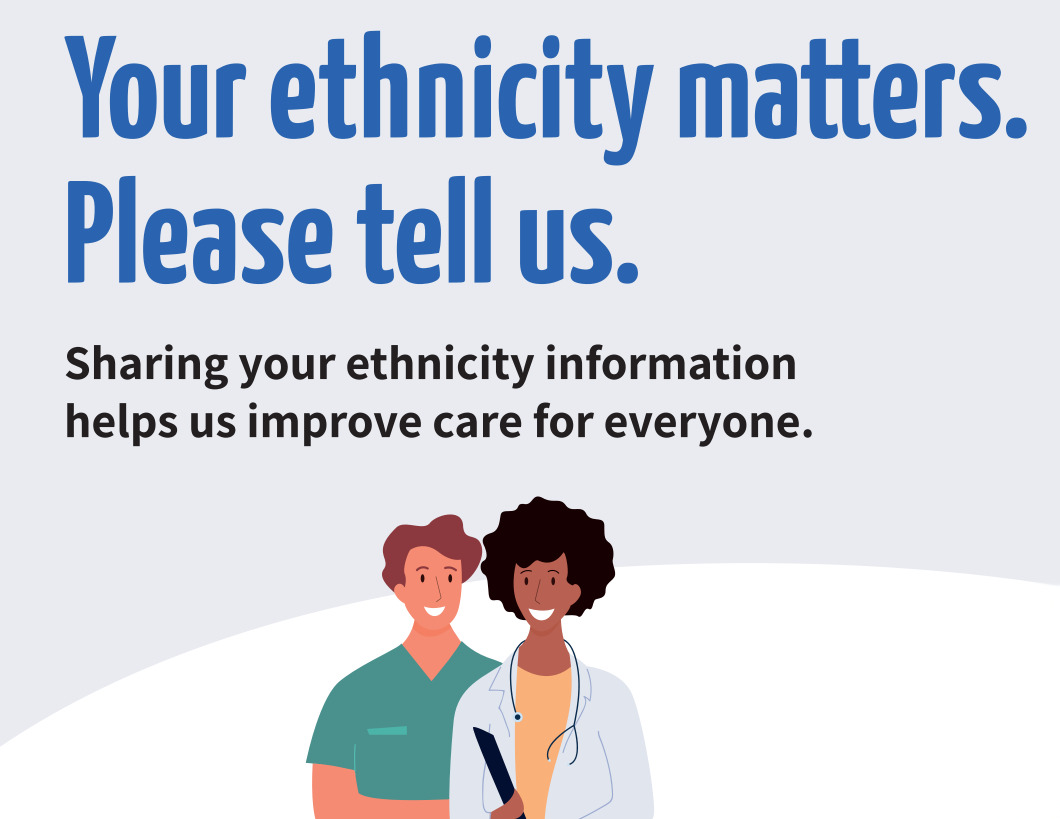
In these co-production sessions, we developed briefs for posters, leaflets and an animation related to the two topic areas. We also developed a communications strategy with the co-production groups, identifying priority audiences, target organisations and channels through which to disseminate the resources to maximise their impact. We then went on to iteratively develop, refine and test the language and design of the resources, prioritising accessibility, representation and clarity of the message.
This process aimed to ensure that the final resources are accessible, trusted and relevant to the communities they are intended to reach, while empowering patients to understand their rights and access appropriate support.
Ethnicity Recording
To design resources regarding the importance of ethnicity recording, we built on existing research which identified that people had concerns about how their ethnicity information is collected and used. Co-production helped us understand what patients needed to know to feel comfortable and confident sharing this information, including the benefits, confidentiality and how data can be used to improve healthcare.
Community Language Interpreting
During the process of designing resources about the availability of community language interpreting, existing evidence revealed the issues people had with accessing the services. The sessions helped us to understand what information patients need about their right to an interpreter, how to communicate the importance of using a professional interpreter, and the importance of being able to communicate in their preferred language or dialect.
Key takeaways
Feedback during the co-production sessions frequently centred on clarity, representative imagery, accessibility, and practical utility. Participants also helped us consider how to build trust, relevance and representation into the resources, ensuring that the resources reflected the experiences and needs of the communities they were intended to reach.
Participants consistently called for plain English and clear visual communication, where key messages such as the value of ethnicity recording were made immediately apparent. The need for diverse and representative imagery was also repeatedly emphasised. On the matter of building trust, participants highlighted the importance of addressing patient concerns around confidentiality, data use and the role of professional interpreters.
The resources are now going through a final round of revision with the NHS teams to ensure they are aligned with NHS guidelines before they are made publicly available.
For more information about the project, contact interim Head of Research, Otto Wolf.