
Anti-Racism Collaboratives: Building a Partnership and Movement for Health Equity
The National Lottery Community Fund’s Health Inequities: Structural Racism and Discrimination Partnership
We are delighted to share that the Race Equality Foundation has been awarded £5 million over five years by The National Lottery Community Fund as part of their Health Inequities: Structural Racism and Discrimination Partnership.
Health inequity is far from a new problem, but its persistence demands urgent action. Across England, people from Black, Asian and minoritised ethnic backgrounds face significantly worse health outcomes than their white counterparts: outcomes that are explained by the structural conditions in which people are born, grow, work and age.
In the communities where we will work, this reality is stark. In Greater Manchester, Pakistani, Bangladeshi, and Black Caribbean communities experience disproportionate rates of preterm birth, lower uptake of vaccines, and are more likely to report poor GP experiences and underreport health conditions altogether. In Lambeth, Black women face the highest rates of multiple chronic conditions in south London, and Black and Asian mothers continue to report poorer and less trusted experiences of maternity care. In Barking and Dagenham, minoritised communities are developing long-term conditions on average five years earlier than their white counterparts, and barriers including distrust and language mean bowel cancer screening uptake remains persistently low.
This evidence demonstrates the preventable harm of structural racism and discrimination. Receiving this funding means we can go further than simply documenting these disparities and begin, alongside communities, to dismantle the structural causes behind them.
The Anti-Racism Collaboratives (ARCs) — Our Delivery Work
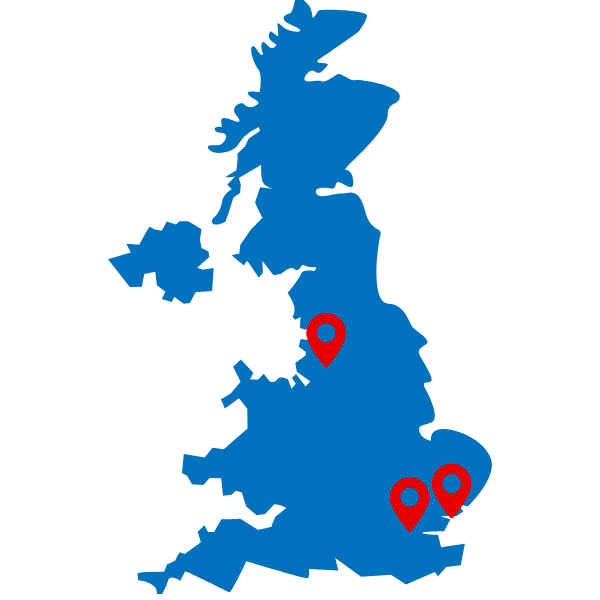
The centrepiece of our delivery is three Anti-Racism Collaboratives (ARCs), each based in a specific place and rooted in the communities experiencing the sharpest health inequities. Our three ARC locations are:
- Greater Manchester
- London Borough of Lambeth
- London Borough of Barking & Dagenham
Each ARC is hosted by a trusted minoritised ethnic-led VCSE organisation, recruited through an open Expression of Interest process. Host organisations provide local coordination, maintain community relationships, and support each Co-Production Panel in their area. The ARCs will deliver 2 ‘Change Programmes’ per year, addressing specific issues around health equity.
The Lottery Partnership
Being part of this partnership means more than receiving a grant. The National Lottery Community Fund has brought together organisations to work collectively on health equity, sharing power, evidence and learning to drive national systems change. As one of the partners, the Foundation will also contribute to expertise in evidence, influencing, and co-production to shape national policy, fund design and system change.

Evidence and influencing

Supporting fund design

Facilitating collective learning
Funding
Thanks to National Lottery players, the Race Equality Foundation has received £5 million of truly life-changing funding over 5 years from The National Lottery Community Fund. The funding will be used to establish three Anti-Racism Collaboratives with Co-Production Panels in Manchester, Lambeth and Barking & Dagenham, to tackle the structural causes of health inequities experienced by minoritised communities.
This funding comes from The National Lottery Community Fund’s Health Inequities Partnerships. These are central to its commitment to address inequities and tackle unfair and avoidable health outcomes. Structural racism, discrimination and systemic injustice continue to shape people’s experiences of health. This work begins by listening, learning and taking action, together. This partnership is about working collectively to build understanding, share power and address the wider and deeply connected drivers of health inequities over time. It is part of The National Lottery Community Fund’s commitment to put community agency, power and control at the heart of its funding in England, as it plans to distribute at least £3 billion of life-changing grants by 2030.
