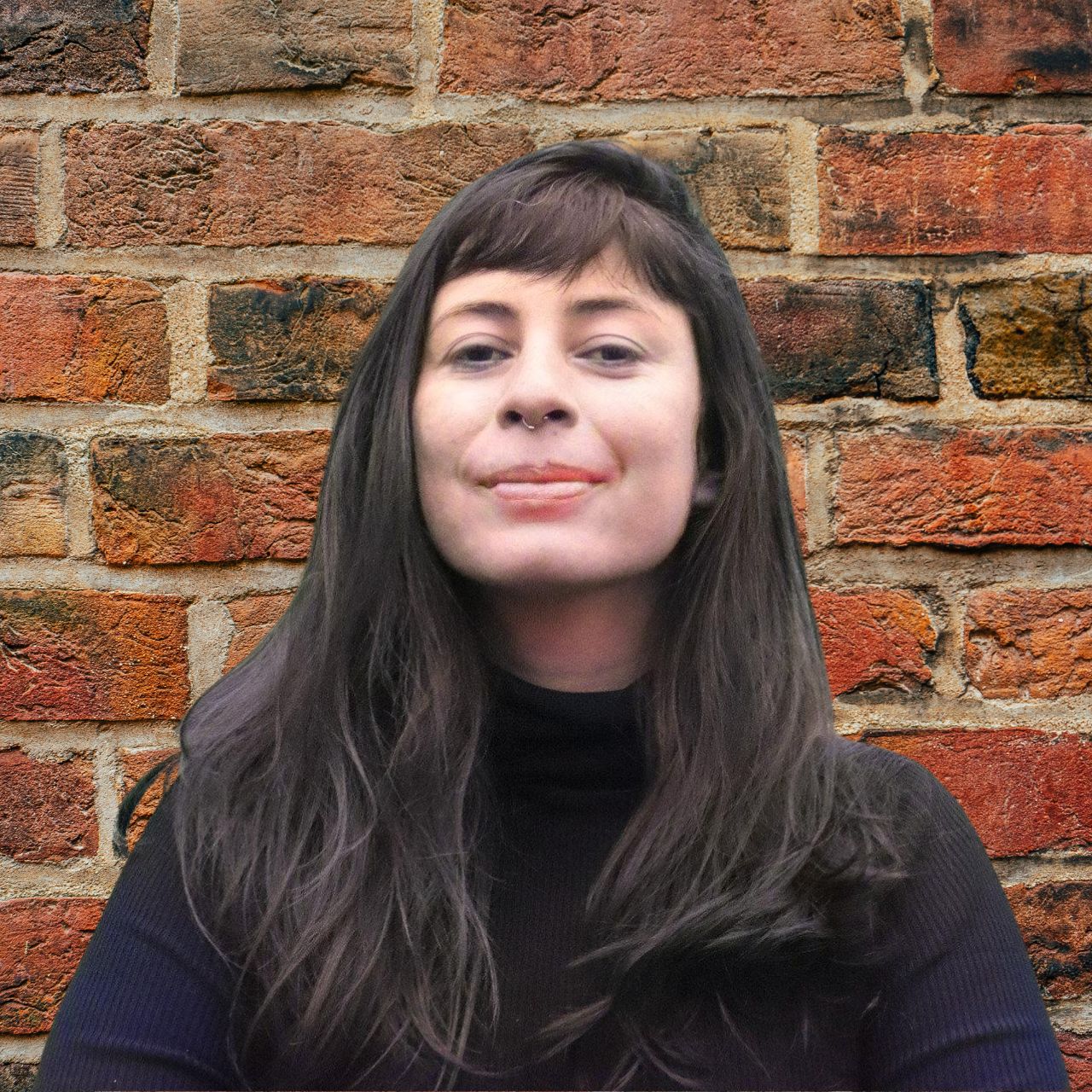
“It took me five years to get the right diagnosis,” shared one participant, after facing years of medical gaslighting, forced antidepressants and talk therapy instead of the treatment she actually needed.
Accessing equitable healthcare should be a basic right, however, for young South Asian Disabled women in the UK, the reality is far from simple. Systemic discrimination shaped by ableism, racism and misogyny significantly affects this young population’s health and wellbeing often leaving them neglected, misdiagnosed or without adequate support.
In a series of 5 arts-based research workshops, the project Mapping The Margins explored how racism impacts the health and wellbeing of ethnically minoritised young people belonging to further marginalised groups. I was particularly involved in working closely with young South Asian Disabled women.
The findings revealed that for many, the system fails them even before they get to see a doctor. Something as basic as booking a consultation can be a daunting experience including lack of BSL interpreters and heavy reliance on audio calls. Further the process itself is confusing and anxiety inducing with vague calling-back times leading to time paralysis. In addition, sometimes the receptionists act as gatekeepers and informally decide whether someone’s condition is “serious enough” to get an appointment, taking away their agency over their own care.
Even when they do manage to get a consultation, they have to navigate medical gaslighting and dismissal of their symptoms by doctors. Rather than actually listening to them, they are made to feel that they are over-reacting or over-exaggerating their symptoms. Healthcare professionals are also quick to minimise certain symptoms like pain or attributing them to mental health illnesses. As a result, many feel compelled to over-prepare for appointments in order to “prove” their pain isn’t simply in their heads. From conducting their own research, adjusting their tone, presenting information in a certain way, and sometimes, even having to bring a “man” with them to be taken more seriously and heard properly. A participant also talked about having to “trick” doctors into thinking that a suggestion was their idea, just to receive appropriate and timely care.
A particularly shocking term that emerged during the workshops was “Begum Syndrome” which is used by some healthcare professionals to stereotype South Asian women as overly dramatic or attention seeking, highlighting how the casual use of such terminology underlines how racialised gender bias continues to shape clinical judgement in ways that are rather harmful.
It is important that these experiences are not understood in isolation. Participants continually reflected how different aspects of their identity like being young, Disabled, South Asian, Hijabi women or having mental health diagnosis intersect with each other, intensifying the level of discrimination for them. For example, participants spoke about being infantilised, questioned about their intelligence, or not being taken seriously unless accompanied by a man simply because they were disabled South Asian women. Invisible disabilities and mental health diagnoses added another layer of difficulty, forcing young women to constantly negotiate whether or not to disclose their condition.
Not surprisingly, these systemic failures cause severe consequences, the brunt of which, these young women have to face. From worsening health conditions because of delayed diagnoses to having to spend thousands of pounds purchasing essential mobility devices due to long waiting times. Beyond physical and financial impact, these experiences also lead to medical trauma, distrust in healthcare systems and tremendous amounts of fatigue. Yet, they still have to continue to advocate for themselves, often at a great cost.
These stories highlight the urgent need to understand how healthcare systems engage with marginalised young people. Inclusive healthcare must go beyond “accessible” infrastructure and should include culturally competent care and a willingness to confront internalised biases. It is essential to recognise that equitable healthcare can’t exist without centering the voices of those most often forced to the margins.